About
Keeping traditional music in the digital space, within easy reach of young people.
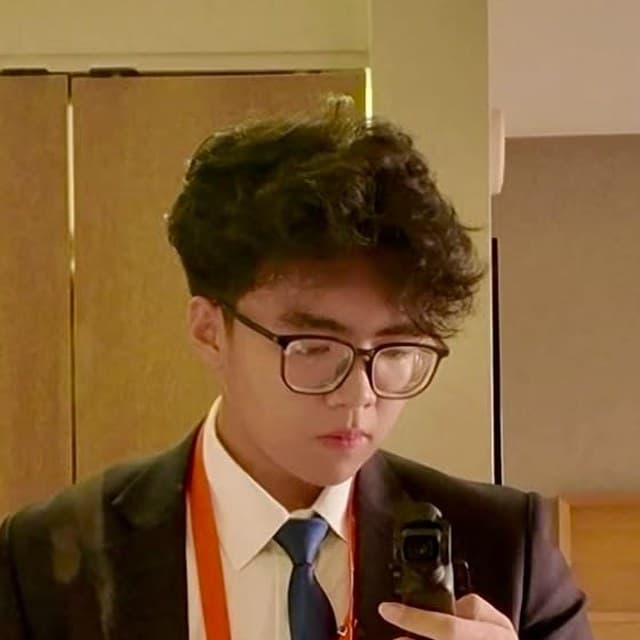
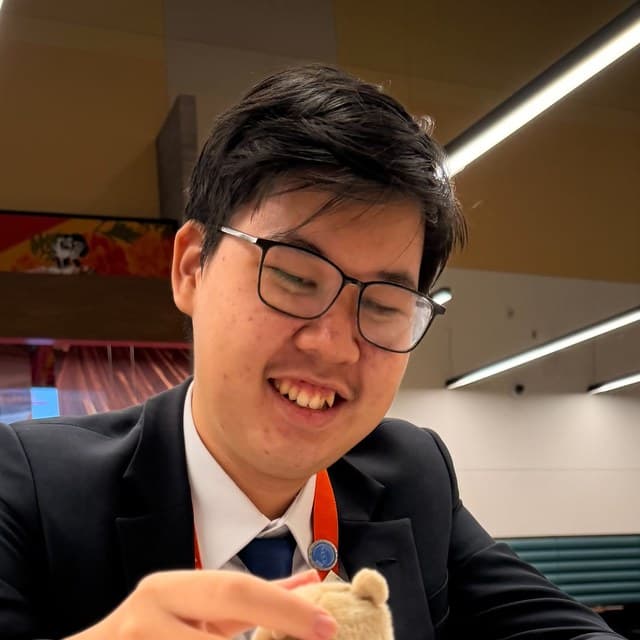
DC2T is a project by Hà Nhật Bảo and Nguyễn Tấn Đức. We want đờn ca tài tử to have one more door online: a place where anyone can listen, try, and grow curious about the originals.
Why DC2T exists
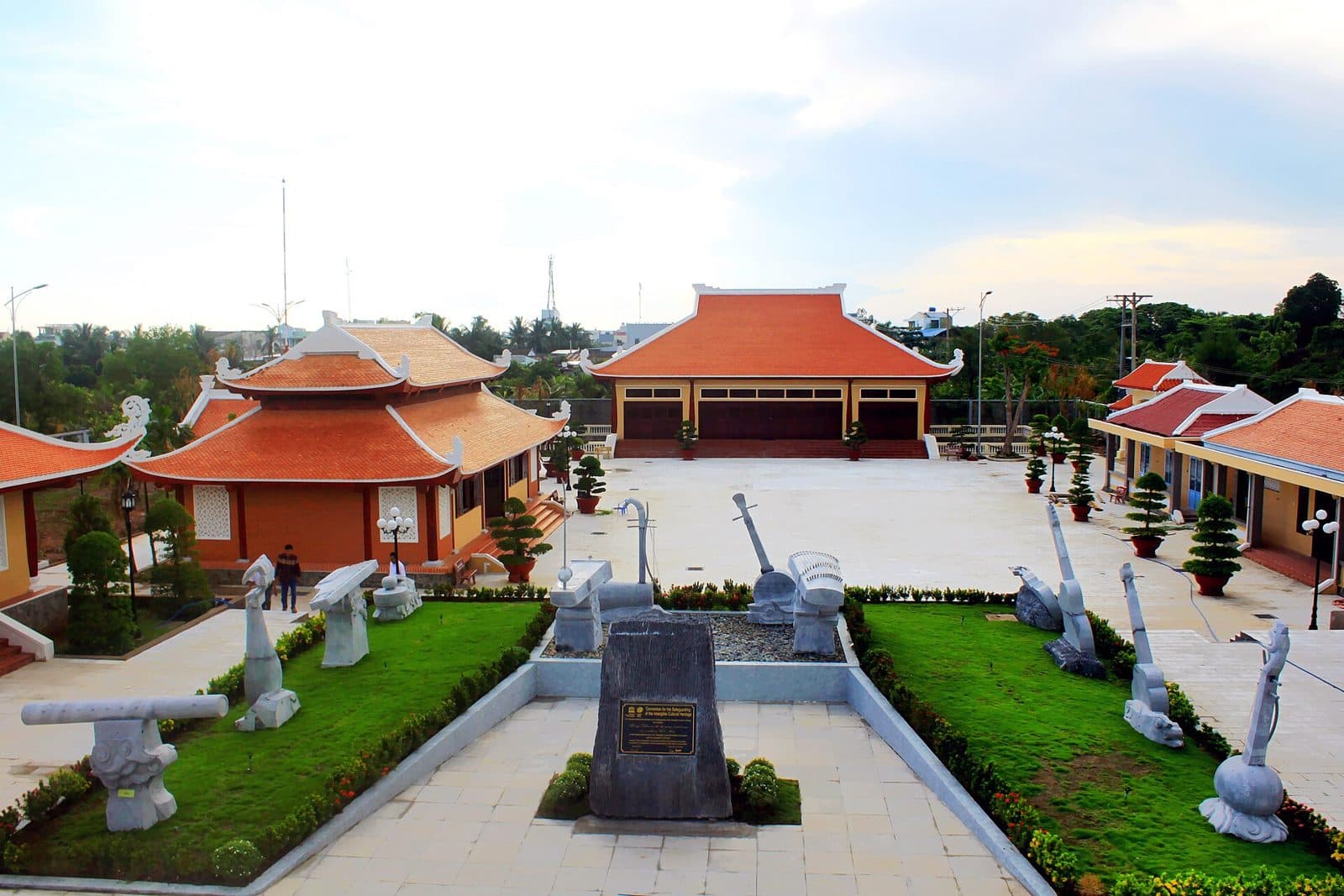
Đờn ca tài tử is on UNESCO's heritage list, yet for many young people it is still their grandparents' music: familiar to the ear, but with no obvious way in. The pieces are long, the modes are many, and learning it properly means years with a teacher.
Meanwhile the record of it is scattered. Precious recordings sit on cassette tapes, on the phones of local clubs, in family cupboards, and could be lost at any time.
DC2T tries another way in: bringing the sound online, in the way young people already play with music every day. You pick a mode, describe what you want to hear, and get an instrumental to listen to and share. Our hope is that this curiosity leads you to seek out a Nam Ai or a Tứ Đại Oán played by a real master.
Three things we do
one
Preserve
Gather recordings of đờn ca tài tử in one place, labelled by piece, mode, players and place of recording, so they are not lost to time. The first collection is a set of instrumental recordings of the twenty ancestral pieces.
two
Open a path for the young
Let you create an instrumental in about a minute, blend it with lo-fi, jazz or electronic music if you like, and from there seek out the real thing. The page on the 20 pieces is kept short so that a complete beginner can read it.
three
Build together
Invite musicians, clubs and families to send recordings, so the archive grows and the model plays more truthfully. We listen to every recording before it enters the archive, and contributors can ask us to remove theirs at any time.
How the model learned to play
This site runs on DC2T, a music generation model we built ourselves as part of a research project on using deep learning to preserve and develop đờn ca tài tử. Its code and implementation guide are public. DC2T stands on two open-source projects: the Qwen 2.5 language model and the MuCodec audio codec.
DC2T learns to play by listening. Each recording is turned into a sequence of audio tokens, twenty-five frames for every second of music. A language model, the kind normally used to write text, is trained to predict the next token: first from music alone, then together with the description that comes with each piece. That is how it gradually learns to connect the words you type with the sound of the instruments.
Tài tử music is largely improvised and has no verses and choruses the way a song does. So before it plays, DC2T writes itself a plan: tempo, length, mood, instruments, and three sections, an intro, a main part and an outro. Only then does it write the music for each section, and a decoder turns those tokens into sound.
Machine-made music cannot match a master's touch. We see it as an invitation, not a replacement. The more good recordings there are, the more the model has to learn from.
See the DC2T code and guide on GitHubMade by
Want to talk or work together?
Write to us, or send a recording on the contribute page.